[00:05.2]
Hello, my name is Zsolt Chepregi. I'm the Regional Analyst for the Middle east and North Africa at Everbridges Global Insights team. Today I will outline the current state and immediate forecast of the U. S. Iran nuclear negotiations that are taking place in Oman as of Friday, February 13th.

[00:22.8]
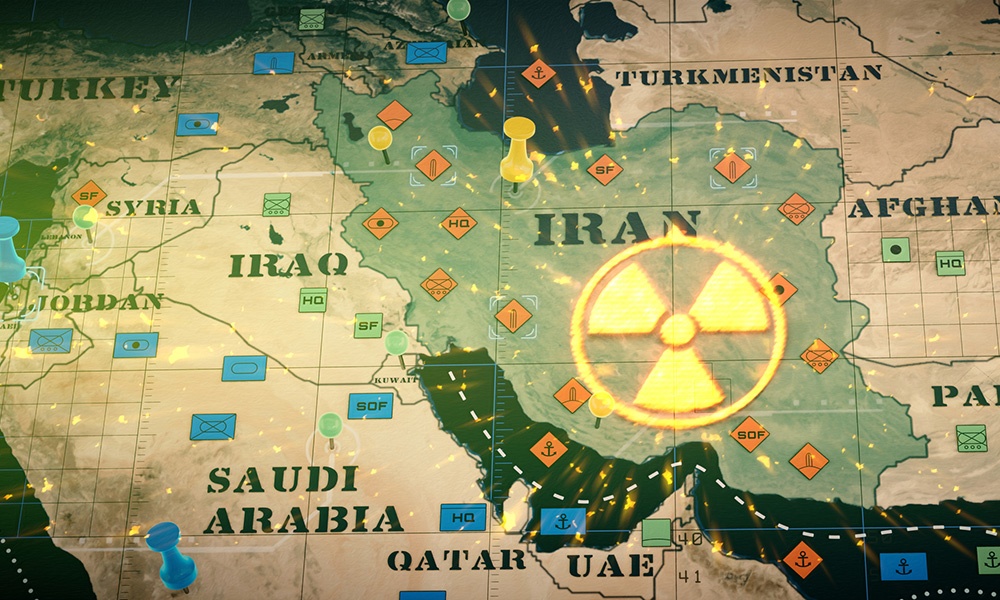
The most significant new development, is that the US is dispatching the USS Gerald R. Ford aircraft carrier and accompanying warships to join the USS Abraham Lincoln carrier strike group already present in the Middle East. Thereby, it's significantly reinforcing its military leverage over the next stage of diplomacy with Tehran.

[00:43.8]
On the diplomatic calendar. We still do not have a confirmed date for the next round of negotiations, but Ovan remains central. Muscat is not just the venue, it's functioning as a container that both sides accept, keeping the diplomatic channel alive even as military pressure rises around it.

[01:00.9]
The main point to note right now regarding the upcoming talks is that both sides appear to be settling, at least for the time being, on discussing only Iran's nuclear program and what the imposed constraints and verification would look like. Tehran has framed the Muscat talks as a good start, but, also as a process focused strictly on nuclear terms.

[01:22.7]
Not its missiles, not its regional proxies, and definitely not its domestic politics. Iran has also signaled an openness to comprehensive nuclear inspections. That matters because inspections and verification are the foundation for any sustainable nuclear agreement guaranteeing that Iran will not be able to move toward a nuclear weapon from the US Side.

[01:45.2]
However, reporting out of Washington continues to suggest a broader ambition for the talks. Even if the current plane is nuclear, only the US May be interested. And it's also urged by its primary regional partner, Israel, to eventually expand the scope toward ballistic missiles and Iran's regional activities.

[02:05.7]
So what can we forecast? The most likely near term outlook is a month of tense calm as diplomacy continues under intense military pressure. This is in line with US President Donald Trump's stated outlook on the time horizon to achieve a deal.

[02:21.7]
However, there is a real chance of derailment if the scope, question, verification terms or sanctions relief sequencing becomes a hard stop for either side. For businesses operating in or exposed to the Middle east, the key risk channels are sanctions, volatility and any escalation that disrupts travel and logistics.

[02:42.4]
Additional sanctions pressure can create cascading compliance, banking and supply chain effects. And while a military flare up could trigger short notice airspace restrictions, maritime disruption and temporary travel interruptions, cyber risk also tends to rise during periods of heightened US Iran tension.

[03:01.1]
So organizations should maintain elevated monitoring, validate contingency travel and routing plans, and ensure that incident response and third party risk controls are current.