Overview
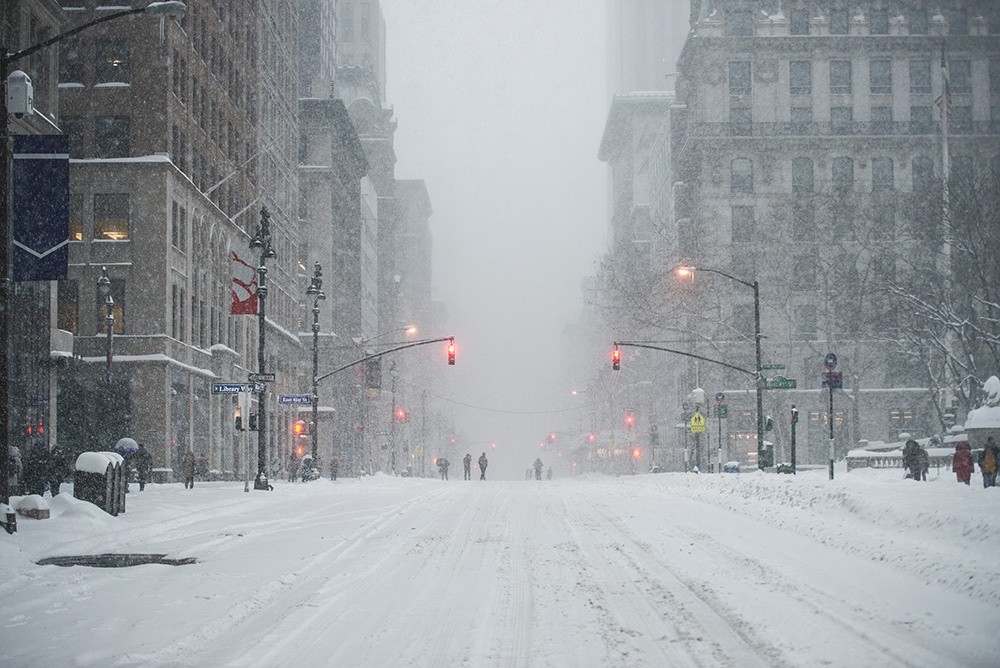
As of January 21, meteorologists are warning of a high-impact winter storm expected to develop later this week and track eastward across a broad corridor from Texas through the Southeast and into the Mid-Atlantic and Northeast. Forecast models indicate the system will take shape over the southern Plains and adjacent parts of the Southwest, including eastern New Mexico and West Texas, as moisture-laden air from the Gulf of Mexico interacts with a deeply entrenched arctic air mass extending southward across much of the central and eastern United States. The result is expected to be a major winter storm that brings heavy snow, damaging ice, and strong winds to multiple regions, with impacts building as the system moves east.
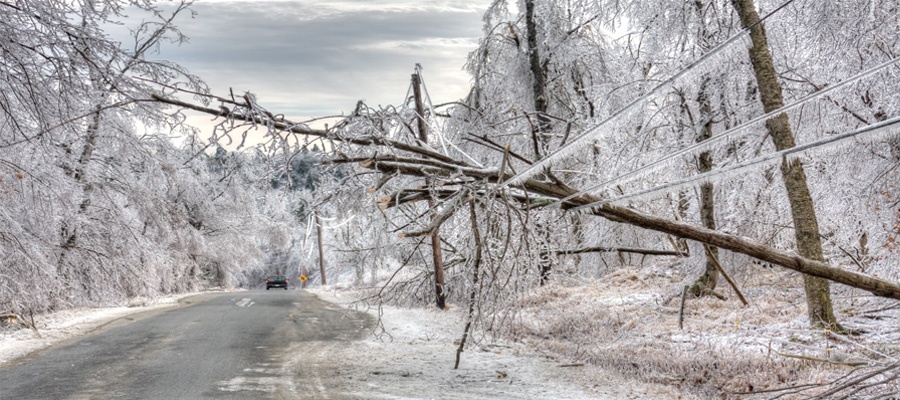
The most consequential effects are expected where ice accumulation becomes prolonged and is compounded by wind and persistent subfreezing temperatures, particularly across portions of the South and southern Appalachians. In these areas, ice loading on trees, power lines, and transportation infrastructure has historically resulted in widespread power outages, blocked road networks, and extended restoration timelines—a risk amplified by more limited winter weather response capacity.
Under these conditions, the situation can quickly become life-threatening, especially where prolonged power outages coincide with extreme cold and restricted mobility, leaving residents without heat, motorists stranded by impassable roads, and vulnerable populations exposed to hypothermia, medical emergencies, and delayed access to emergency services. Taken together, these factors substantially elevate the risk of multi-day life-safety and operational disruption later this week and through the weekend, with cascading impacts to transportation, logistics, utilities, healthcare delivery, and workforce mobility likely to persist beyond the storm’s passage.
Impacts and Risks
Life Safety and Public Health
- Prolonged power outages combined with sustained subfreezing temperatures significantly increase the risk of hypothermia, carbon monoxide poisoning from improper heating, and delayed treatment for acute and chronic medical conditions, particularly among elderly and medically dependent populations.
- Impassable roads and degraded emergency access may delay ambulance response and restrict access to hospitals, dialysis centers, pharmacies, and warming shelters, increasing the risk of preventable morbidity and mortality.
- Life-safety risks may persist after precipitation ends where outages, fuel shortages, or limited access to essential services continue into the recovery phase.
Power, Utilities, and Critical Infrastructure
- Ice accumulation on trees and power lines, compounded by wind, is likely to trigger widespread electrical outages, with restoration timelines extended by infrastructure damage, blocked access routes, and continued cold.
- Water, wastewater, and natural gas systems may experience secondary disruptions from frozen pipes, power loss, or equipment failure, increasing the likelihood of service interruptions or boil-water advisories.
- Freeze–thaw cycles following the storm may cause additional infrastructure failures, compounding repair backlogs and delaying full recovery.
Transportation and Mobility
- Hazardous road conditions are likely to result in widespread closures, elevated crash risk, and significant delays across freight, commuter, and emergency transport corridors.
- Aviation and rail networks may face cancellations, equipment and crew displacement, and lingering service irregularities that take several days to normalize.
- Transportation disruptions may persist beyond the storm due to debris, damaged infrastructure, and accumulated backlogs.
Business Continuity and Supply Chains
- Power outages, workforce absenteeism, and restricted facility access may force temporary shutdowns or reduced operations across manufacturing, logistics, retail, and service sectors.
- Time-sensitive and temperature-controlled supply chains face heightened risk of delay, spoilage, and inventory shortfalls, particularly where last-mile delivery and distribution centers are affected.
- Downstream impacts may include missed contractual obligations, delayed replenishment, and localized shortages of fuel, food, or essential goods during recovery.
Emergency Response and Recovery
- Emergency services may be strained by high call volumes, restricted mobility, and extended outages, reducing response capacity during both the impact and recovery phases.
- Debris clearance, damage assessments, and utility restoration may be delayed by persistent cold, limited daylight, and resource constraints if impacts are widespread across multiple states.
- Recovery timelines are likely to vary by location, with some communities facing prolonged disruption well after the storm’s passage.
Resilience and Risk Mitigation
Organizations may benefit from placing early emphasis on life safety and duty of care as hazardous conditions develop. Reinforcing cold-weather safety guidance, including hypothermia prevention and safe use of generators and alternative heating, can help reduce preventable risk. Flexible work arrangements, including remote work or adjusted schedules, may ease pressure on employees to travel during dangerous conditions, while updated check-in protocols and access to temporary lodging or warming centers can support essential and field-based personnel.
Given the likelihood of extended power outages and sustained cold, facility and infrastructure readiness will be a critical resilience factor. Verifying generator functionality, fuel availability, and uninterruptible power supply capacity for critical systems can reduce exposure to prolonged outages. Additional measures such as insulating pipes, protecting fire suppression systems, and staging debris-clearing or de-icing resources may help limit secondary damage and support faster recovery if utility disruptions persist.
Transportation and mobility planning can focus on limiting exposure while preserving flexibility for recovery. Postponing non-essential travel into high-risk areas and identifying alternate routes or timing for critical movements may help reduce disruption. Organizations dependent on aviation may benefit from planning for cancellations and displacement by identifying alternate airports, ground transport options, and lodging in advance, while fleet operators can consider positioning assets outside the most severe ice zones.
Business continuity and supply chain resilience may depend on early coordination and realistic operating assumptions. Activating continuity plans, identifying critical functions, and pre-positioning inventory where feasible can help manage service interruptions. Early engagement with carriers and suppliers to adjust delivery windows or reroute shipments may reduce downstream impacts, while advance review of contracts, force majeure provisions, and insurance coverage can support smoother recovery and claims processes.
Effective crisis management and recovery coordination can help organizations navigate prolonged disruption. Establishing clear escalation thresholds, maintaining regular internal updates, and engaging with local authorities, utilities, and emergency services can improve situational awareness and response prioritization. Recovery planning may benefit from assuming uneven restoration timelines, workforce availability constraints, and the possibility of follow-on weather or secondary infrastructure failures.
Additional Resources
NOAA Weather Prediction Center (WPC) Forecast Overview Dashboard:
https://www.wpc.ncep.noaa.gov/index.shtml#page=ovw
National Weather Service (NWS) Weather Warnings and Advisories Portal:
https://www.weather.gov/alerts
Federal Aviation Administration (FAA) Air Traffic Status:
https://www.fly.faa.gov/flyfaa/usmap.jsp