From cyber incidents and technology failures to severe weather and infrastructure outages, organizations are operating in an environment where crises can escalate quickly and without warning. In these moments, the effectiveness of communication often determines how well an organization responds.
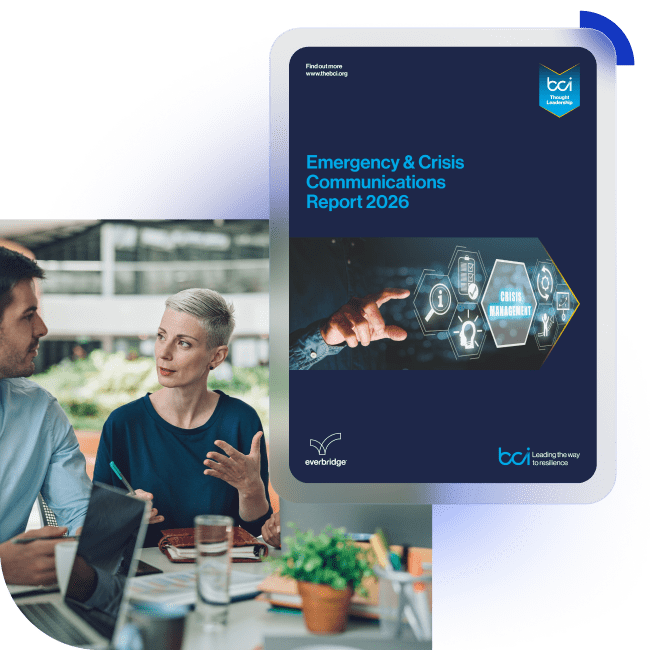
The 2026 Emergency & Crisis Communications Report, produced by the Business Continuity Institute (BCI) in partnership with Everbridge, highlights how organizations are adapting their crisis communication strategies to meet today’s challenges.
Here are five key insights resilience leaders should understand.
1. Crisis communication is becoming a leadership priority
One of the strongest findings from the BCI research is the growing role of senior leadership in emergency communications.
Today, crisis communication strategies are often led from the top, with senior management directly involved in shaping both internal and external messaging during disruptive events. This leadership involvement helps ensure clear direction, faster decision-making, and consistent messaging during high-pressure situations.
As resilience becomes a board-level priority, organizations are recognizing that communication is not simply an operational task, it’s a strategic capability.
2. Organizations are activating emergency communications more frequently
The report highlights that many organizations are triggering emergency communication procedures more often than in previous years.
Common drivers include:
- Severe weather events
- Technology failures
- Cyber incidents
- Infrastructure disruptions
These events are no longer rare exceptions, they are part of today’s risk landscape. As a result, organizations must ensure they can quickly communicate with employees, stakeholders, and crisis teams when incidents occur.
This is where effective business continuity strategies and integrated communication platforms play a critical role.
3. Technology is essential, but it’s not the whole solution
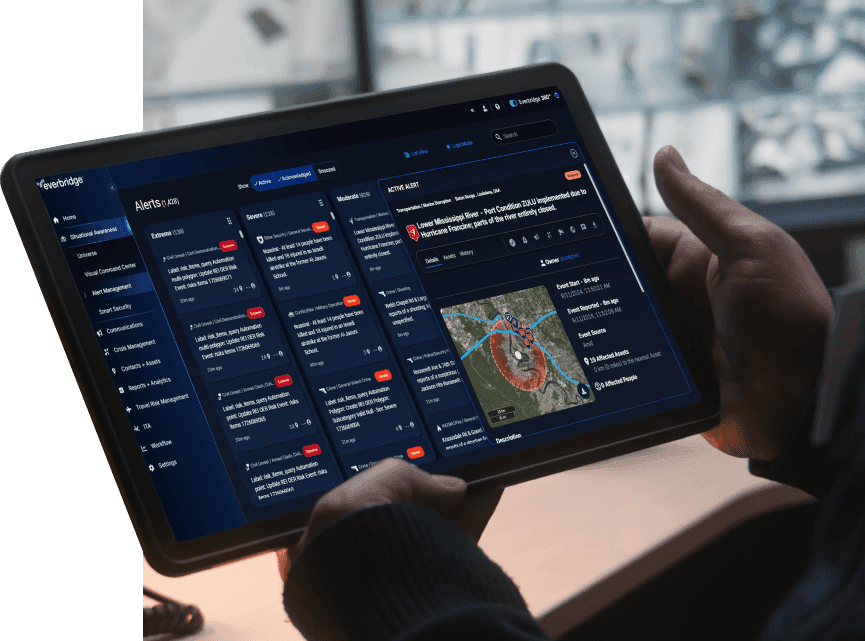
Digital tools are central to modern crisis communication. Many organizations rely on cloud-based platforms to coordinate crisis teams, distribute alerts, and manage incident response.
However, technology alone cannot guarantee success.
Challenges such as fragmented systems, outdated contact information, or unreliable communication channels can still slow response efforts during a crisis.
Organizations must ensure that their communication systems are integrated, regularly tested, and supported by accurate data.
4. Human factors remain a major vulnerability
While most organizations have documented crisis communication plans, real-world events often expose human and operational gaps.
Common issues include:
- Limited staff responsiveness
- Outdated contact details
- Coordination challenges across teams
These human factors can undermine even well-designed communication strategies.
To address these risks, organizations must combine technology with strong governance, training, and clearly defined roles.
5. Artificial intelligence is beginning to support crisis response
Another emerging theme in the report is the growing role of artificial intelligence in resilience programs.
While adoption remains early, organizations are exploring AI to support:
- Early warning and threat detection
- Data analysis and information processing
- Alert triage
- Message drafting during incidents
These capabilities can help teams gain faster situational awareness and make more informed decisions, while keeping human leadership firmly in control.
Building stronger crisis communications in an era of constant disruption
Effective emergency communication today goes far beyond sending alerts. It requires connected systems, clear leadership, reliable data, and well-practiced response processes.
Organizations that invest in these capabilities can respond faster, maintain operational continuity, and strengthen resilience across their operations.