
The landscape of physical and digital security is undergoing a seismic shift. As threats become more sophisticated and complex, traditional methods of protection are no longer sufficient. A recent Gartner report, “Emerging Tech: AI Vendor Race,” highlights that in a deteriorating physical security environment, vendors must offer converged cyber and physical security domains, and move from simple threat detection to predictive risk intelligence. For technology and security professionals, understanding these trends is not just an option, it is a strategic imperative.
This post will unpack the critical insights from the report, exploring how AI is reshaping physical security, why breaking down silos between digital and physical protection is essential, and what actionable steps product leaders can take to stay ahead. We will also look at real-world examples of how these advanced technologies are being implemented today to create safer, more resilient environments.
AI: The new core of physical and digital security
Automation through artificial intelligence is now a strategic necessity for enterprises looking to manage their security infrastructures effectively. The report emphasizes that physical security leaders have a unique window of opportunity to leverage AI to gain market share. The traditional model of “guards and gates” is proving too costly and ineffective to scale in the face of modern challenges.
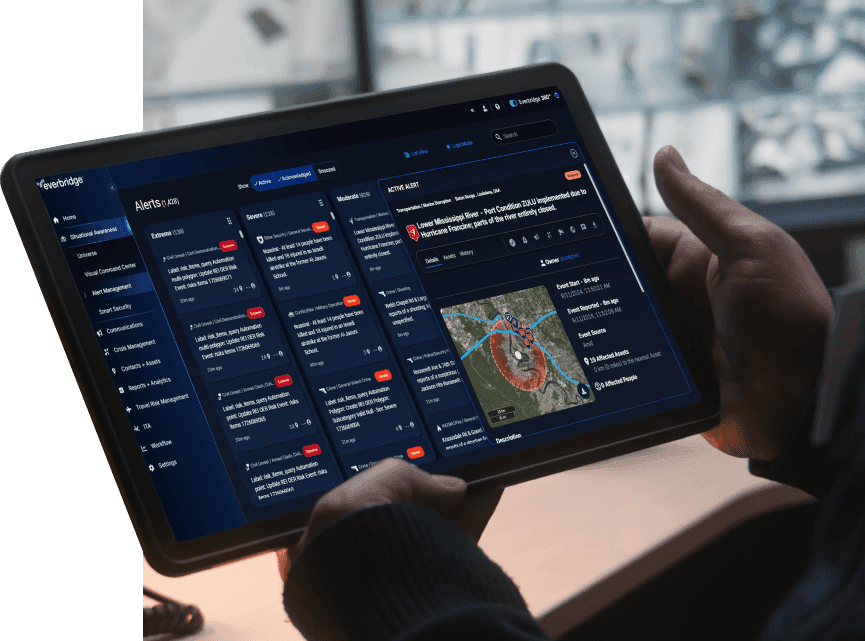
AI-driven analytics and automation are the keys to unlocking a more proactive and efficient security posture. Instead of simply recording events for later review, the focus is shifting to real-time monitoring and situational awareness. AI enables systems to analyze vast streams of data from cameras, sensors, and access control systems to identify anomalies, predict potential threats, and trigger immediate responses. This transition from reactive to predictive capabilities is what elevates security operations to the level of risk intelligence.
However, integrating AI is more than just adding a new software layer. It demands a fundamental architectural overhaul. Security systems must be designed around a core of analytics engines, breaking away from the siloed systems of the past. This requires a long-term strategy and a reengineering of core infrastructure to ensure all components work in harmony.
The convergence of cyber and physical security
One of the most powerful themes in the Gartner report is the critical need for convergence. The lines between the digital and physical worlds have blurred. Physical security systems, often connected to IP networks, can introduce cybersecurity vulnerabilities. Conversely, cybersecurity infrastructure depends on robust physical protection to prevent unauthorized access or tampering.
A siloed approach where physical security, cybersecurity, and business systems operate independently is no longer sustainable for enterprise resilience. A joined-up solution is required. This alignment allows organizations to develop a holistic view of their risk landscape, enabling more advanced threat mitigation. For example, by integrating access control data with network login information, a system could flag a potential breach if a user’s credentials are used to access a digital asset while their physical location is shown to be off-site.
This convergence supports the broader trend of IT integration, where physical security systems become extensions of the enterprise’s Internet of Things (IoT) network. These systems can then serve dual purposes, contributing not only to security but also to operational goals like workplace optimization and business continuity.
Strategic recommendations for product leaders
The report provides clear guidance for product leaders navigating this fast-evolving market. To remain competitive and meet customer needs, they must address both technical and market challenges.
Enhancing product roadmaps and positioning
Product leaders are urged to position their offerings within a comprehensive risk framework. This means moving customers away from one-off tactical purchases and toward strategic, long-term security solutions. It involves highlighting the dangers of relying on obsolete assets and demonstrating how modern systems can fill widening security gaps.
A key recommendation is to enhance roadmaps with Generative AI and multimodal capabilities. By 2028, Gartner predicts that 50% of generative AI (GenAI) solutions will be multimodal (text, images, audio, and video), up from 2% in 2024. Leaders should provide clear timelines for these features to give customers confidence in their long-term vision.
Addressing costs and integration challenges
Cost is a major barrier to adoption. The report advises organizations to assess subscription models to reduce the upfront capital expenditure, making upgrades more manageable. Furthermore, AI tools can be used to rationalize existing security designs, identifying inefficiencies and optimizing system performance to drive down operational costs.
Overcoming integration challenges is also crucial. Enterprise buyers are increasingly resistant to proprietary, closed systems that create vendor lock-in. While single-vendor solutions may offer initial ease of deployment, they limit flexibility. The future lies in open platforms that support best-of-breed third-party products, allowing customers to adapt their security infrastructure to meet emerging threats.
Innovations in action: Real-world use cases
The theoretical benefits of AI and convergence are already being realized in the field. The Gartner report provides several compelling examples of vendors delivering next-generation security solutions.
Looking ahead: The future is intelligent
The message from the Gartner report is clear: the future of physical and digital security is intelligent, converged, and predictive. AI is no longer an emerging novelty but a foundational element of any robust security strategy. For enterprises, this means rethinking legacy systems and investing in a holistic, integrated approach to risk management.
For product leaders and technology vendors, the opportunity is immense. By developing flexible, AI-powered solutions that address real-world costs and integration challenges, they can empower customers to navigate an increasingly complex threat environment. The race to deliver true risk intelligence is on, and those who successfully merge technology, strategy, and foresight will define the next frontier of security.
Gartner, Emerging Tech: AI Vendor Race: Physical Security’s Next Frontier: Delivering Risk Intelligence, By Nick Ingelbrecht.
GARTNER is a registered trademark and service mark of Gartner, Inc. and/or its affiliates in the U.S. and internationally and is used herein with permission. All rights reserved.