Full Transcript
[00:04.9]
Hello everyone and welcome to this rapid resilience weather Update for Wednesday, June 18th. My name is Caitlin Gillespie and I’m the Chief of Meteorology here at Everbridge. Although Tropical storm Arthur has dissipated, the flooding threat across the Gulf coast and Southeast United States continues to intensify.
[00:22.7]
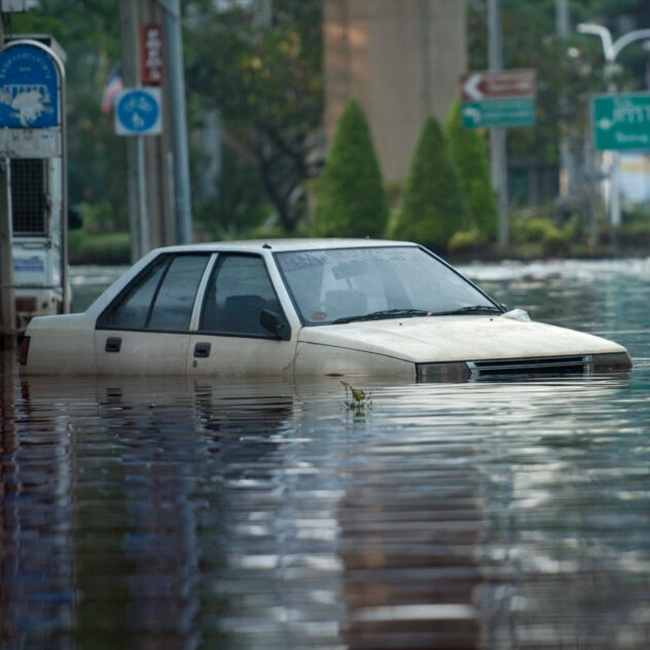
The tropical cyclone itself is no longer the primary concern, but instead a deep plume of moisture left behind. Arthur’s interaction with a frontal boundary and favorable upper level weather patterns that creates an environment very capable of producing repeated rounds of heavy rainfall and dangerous flash flooding.
[00:41.4]
The Weather Prediction center has issued and upgraded to a high risk or level 4 out of 4 for flash flooding across portions of the central Gulf coast today, including parts of Louisiana, Mississippi, Alabama and the western Florida Panhandle. This is the agency’s highest flash flood risk category and is only issued rarely.
[01:01.8]
Historically high risk events account for a disproportionate share of flood related fatalities and damages across the United States. The highest flood risk extends along and north of the I10 corridor. Major population centers including New Orleans, Baton Rouge, Mobile, Pensacola, Panama City, Montgomery and surrounding communities face the greatest potential for dangerous flash flooding today.
[01:27.3]
Additional flood concerns do extend northward into central Alabama and portions of Georgia, including the Birmingham and Atlanta metropolitan areas. Flood watches remain in effect across much of the central Gulf coast and portions of the Southeast with numerous flash flood warnings already occurring and have been issued along the affected corridors.
[01:48.1]
River flooding is quickly developing following several days of heavy rainfall over our quick response river basins. The flood threat is ongoing, which originally started last weekend over the western Gulf coast and will continue through the end of the week.
[02:03.5]
But today presents the greatest risk for widespread, potentially life threatening flash flooding. Multiple rounds of thunderstorms are expected to move across of the same areas throughout the day and evening. Importantly, the threat does not end tonight. The Weather Prediction center maintains a moderate risk or level three out of four for flash flooding Friday across portions of Alabama, the Florida Panhandle and Georgia as the deepest moisture now gradually shifts eastward.
[02:30.9]
Areas impacted by flooding today may be vulnerable to additional flooding tomorrow, especially where our, rivers, streams and drainage systems are already elevated and overwhelmed. Several ingredients are coming together to support this high impact flood event. Strong low level winds are transporting this exceptionally deep tropical moisture inland from the Gulf and we’re seeing moisture levels that are near record for mid June.
[02:54.7]
We couple that with plenty of atmospheric energy that’s supporting heavy rainfall rates. Rainfall rates may exceed 3 inches per hour within the strongest and more organized thunderstorms. Our forecast computer model guidance this morning indicates widespread rainfall totals of 5 to 10 inches across portions of the region with localized totals exceeding 12 to 15 inches in the hardest hit areas, storm total rainfall totals could approach 20 inches in spots.
[03:23.6]
Many locations have already received several inches of rainfall during the past few days. Soils are saturated, rivers are elevated, and much of the additional rainfall is expected to become runoff, increasing the likelihood of, flash flooding, river flooding, and rapidly deteriorating travel conditions.
[03:40.3]
So what does this mean for us operationally? Road closures, flooded low water crossings, transportation delays, facility access issues, and disruptions to workforce mobility are increasingly likely. Where heaviest rainfall occurs, urban areas, low lying roadways, construction sites and locations near smaller creeks and streams remain especially vulnerable even after the heaviest rainfall ends.
[04:04.6]
Lingering river flooding, standing water, road closures and access constraints may continue to affect operations into the weekend. So while isolated tornadoes, localized severe weather, coastal flooding and hazardous marine conditions all remain possible, the primary business continuity concern for us is the rapid onset flash flooding and repeated impacts across already saturated areas.
[04:28.9]
Organizations across the Gulf coast and Southeast should closely monitor flood watches, flash flood warnings and river forecasts. And please ensure that personnel have multiple methods or ways of receiving weather alerts. This is especially an extremely important overnight when flooded roadways can be difficult to identify and conditions may deteriorate rapidly.
[04:49.3]
Thank you for watching and stay safe.