[00:05.0]
Hello, my name is Zsolt Chapregi. I'm the regional analyst for the Middle East and North Africa at Everbridges Global insights team. Today I will outline the current state and immediate forecast on the U. S Iran ceasefire negotiations scheduled for Saturday, April 11.

[00:20.1]
These talks matter because the current de escalation in the Iran war remains partial and highly vulnerable. The ceasefire is already showing visible strain on amid disputes over what was actually agreed, continued pressure on the Strait of Hormuz and spillover from Israel's military campaign against Hezbollah in Lebanon.

[00:38.9]
By the time talks begin, roughly a quarter of the two week polls announced by US President Donald Trump on April 7 will have already passed. An extension is possible and in fact may become necessary. But the compressed timeline still creates major anxiety for markets.

[00:54.9]
And as president Trump has warned that failure to meet US Demands could trigger renewed escalation, the ceasefire itself has not created a secure business environment in the Middle East. Kinetic signaling, contested interpretations of the truce and negotiation failure could all reignite escalation.

[01:12.1]
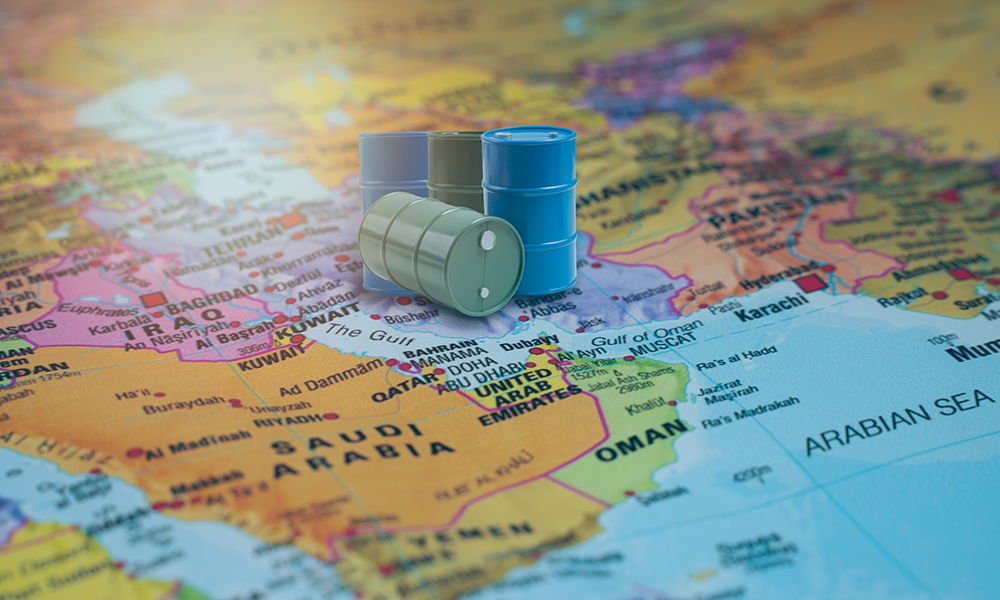
But even if the talks continue, the ceasefire sustains most of the economic disruptions. Shipping through the Strait of Hormuz remains constrained by Iran with traffic still well below predictably pre conflict levels. That keeps energy markets nervous, raises transportation and insurance costs and sustains uncertainty for firms dependent on gulf shipping, refined products or time sensitive cargo.

[01:37.0]
Regional airspace disruptions and reduced schedules have not fully normalized across graph linked travel corridors, meaning companies should still expect rerouting delays, elevated operating costs and short notice itinerary changes. A further complication is Lebanon.

[01:54.3]
Israel is continuing its war against Hezbollah even as prime minister Benjamin Netanyahu has also authorized direct peace talks with Lebanon. That cuts both ways. On the one hand, continued fighting in Lebanon could hinder or even destabilize the U. S Iran negotiations.

[02:10.8]
On the other, if talks between Jerusalem and Beirut gain traction, they could eventually support a broader U. S led regional security framework and a more secure operating environment for businesses across the Middle east and the eastern Mediterranean. My current assessment is that both Washington and Tehran still interested in moving beyond the most severe phase of the crisis.

[02:34.7]
So the talks are more likely to drag and stumble than to collapse outright after the first round. That said, a durable agreement still looks unlikely in the near term for businesses. That means that the main risk is not an immediate restart of a full scale war, but a more volatile middle EAs over the coming weeks and months with periodic setbacks, isolated incidents raising the risk of renewed escalation.

[03:00.5]
This means continued disruptions to shipping, aviation, energy planning and executive risk management from a resilience perspective. This is the time to stress test continuity plans, review supply chain dependencies linked to Gulf shipping and air corridors, confirm crisis management and travel risk procedures, and ensure decision makers remain ready to for short notice disruption.

[03:24.1]
Companies should also begin considering scenarios not only for renewed escalation, but for a longer term restructuring of the Middle east after the war, including shifts in security alignments, trade corridors, energy flows and investment patterns. These are all aspects that we at Everbridge's Global Insights team will analyze in depth as the U S Iran talks unfold.