
Planning a large-scale event like a major gathering or a sporting event involves careful consideration of various risks and challenges. From concerts to conferences, safety is paramount in creating memorable experiences for attendees. Ensure organizational resilience at large-scale events by following our comprehensive checklist:
Establish clear objectives
Define specific goals for the event, focusing on the safety of attendees, participants, and staff, operational efficiency, and overall success.
Conduct a comprehensive risk assessment
- Identify potential hazards and threats related to weather, security, health emergencies, and other relevant factors.
- Assess the likelihood and potential impact of each identified risk.
Develop an emergency response plan
- Create a detailed emergency response plan outlining procedures for various scenarios.
- Ensure all staff members are trained on emergency protocols and understand their roles and responsibilities.
Implement a communication strategy
- Establish a robust communication strategy to disseminate important information before, during, and after the event.
- Utilize communication tools like Everbridge 360 with Mass Notification to reach attendees, staff, and stakeholders in real-time with differentiated messaging options and templates for a variety of audiences.
Coordinate with authorities and stakeholders
- Obtain necessary permits and approvals for the event.
- Collaborate with local authorities, emergency services, and relevant agencies to align on safety and security measures.
Ensure venue readiness
- Inspect the event venue to ensure it meets safety standards and regulations.
- Address any potential hazards or issues identified during the inspection.
Prepare for medical emergencies
- Arrange for medical facilities and personnel to be available on-site or nearby during the event.
- Stock up on essential medical supplies and equipment.
Enhance security measures
- Implement robust security measures, including bag checks, metal detectors, and perimeter control.
- Hire trained security personnel to monitor the event area.
Manage crowd dynamics
- Prepare for emergencies by developing an event management plan for crowds to prevent overcrowding and ensure orderly movement.
- Establish designated entry and exit points to facilitate smooth flow.
Utilize technology solutions
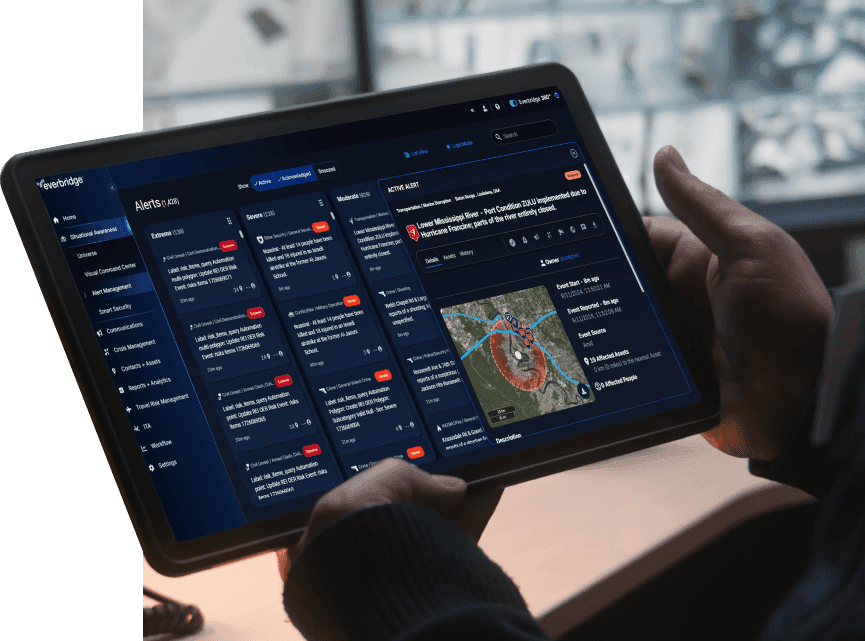
- Leverage technology solutions like Everbridge critical event management (CEM) for real-time monitoring, incident management, and communication.
- Integrate tools like Everbridge Signal with social media to reach an even wider audience.
Prepare for weather contingencies
- Monitor weather forecasts leading up to the event.
- Have contingency plans in place for adverse weather conditions, such as shelter options or event rescheduling.
Conduct a post-event evaluation
- Review successes, challenges, and areas for improvement through a thorough post-event debriefing.
- Use feedback from stakeholders to enhance future event planning and safety measures.
Document incidents and learnings
- Keep detailed records of all safety and security measures implemented.
- Report any incidents promptly to relevant authorities and stakeholders.
Continuously improve processes
- Incorporate security feedback into the customer feedback lifecycle to further enhance safety measures and address potential vulnerabilities.
- Continuously review and update safety protocols and procedures based on lessons learned from past events and industry best practices.