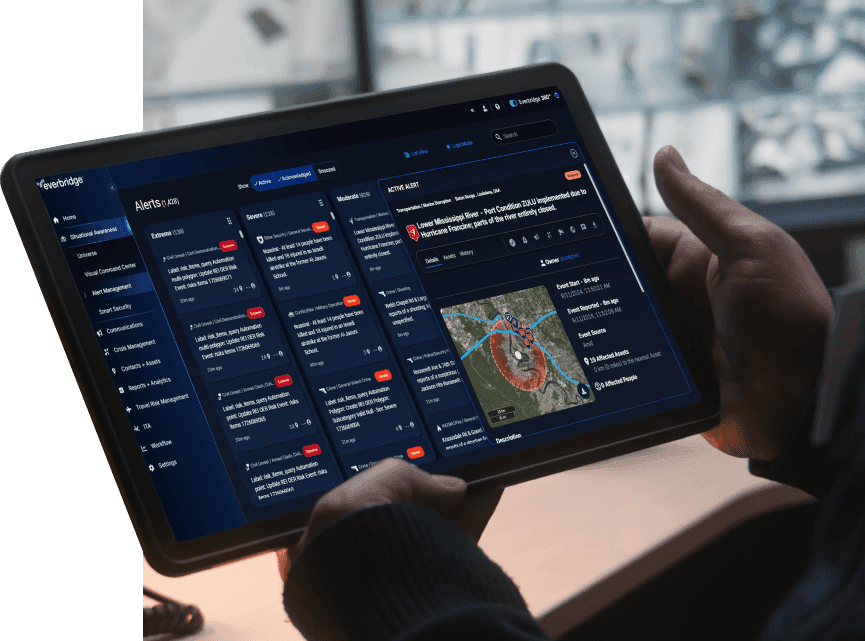
Mass notification system with incident communications
Connect with and inform your entire organization before, during, and after a critical event with targeted two-way communications that help keep people safe and support faster public safety response.
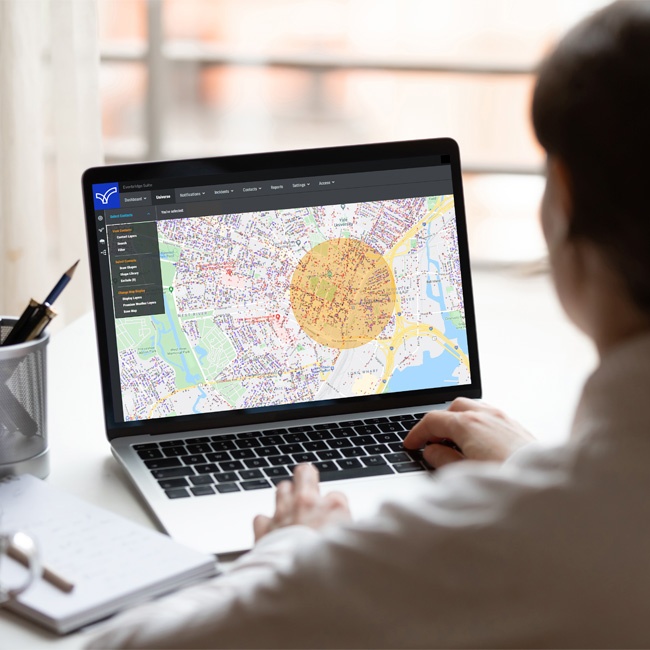
Everbridge is a trusted leader in mass notification
Every day, critical events like severe weather, workplace violence, active shooters, terrorism, IT disruptions, and power outages put organizations to the test. The Everbridge Mass Notification System empowers organizations to anticipate, mitigate, respond to, and recover stronger from critical events.
What is a mass notification system?
A Mass Notification System (MNS) is a platform that quickly sends urgent alerts and critical information to large groups of people during emergencies and disruptions. It delivers real-time messages and instructions through multiple channels — including SMS, email, phone calls, mobile apps, desktop alerts, voice, and collaboration tools — to help keep employees, the public, and organizations informed and safe during events such as severe weather, outages, pandemics, and security threats.
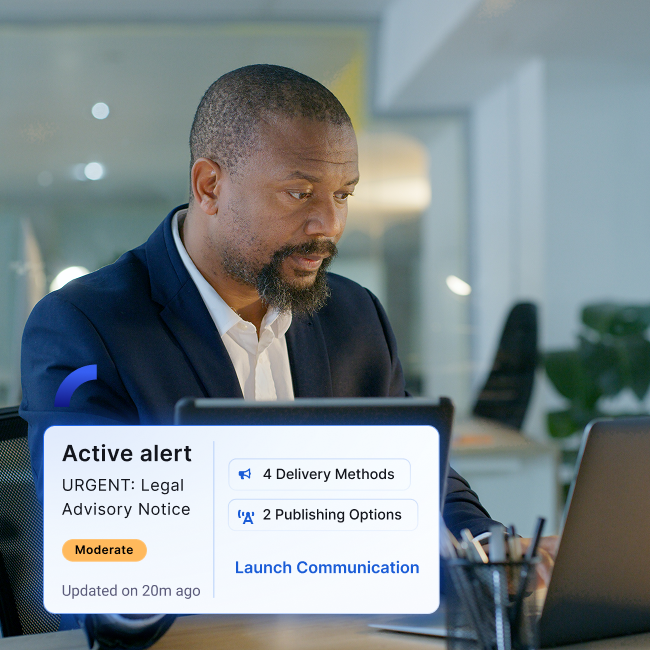

Reliable and scalable emergency notification system

Communicate and respond more quickly to disruptive events

Send consistent and error-free messages quickly

Automate and customize response activities to meet your needs

Integrate easily with common HR and BC Planning systems

Secure, reliable emergency communication backed by market-leading innovation
Communicate quickly and reliably during emergencies with a platform trusted by millions across 200+ countries and territories. Secure access collaboration and 325+ security controls help protect sensitive information, while flexible data residency options allow organizations to securely store and manage data in their country of preference to support privacy, compliance, and regulatory requirements.
Reach anyone, anywhere, instantly
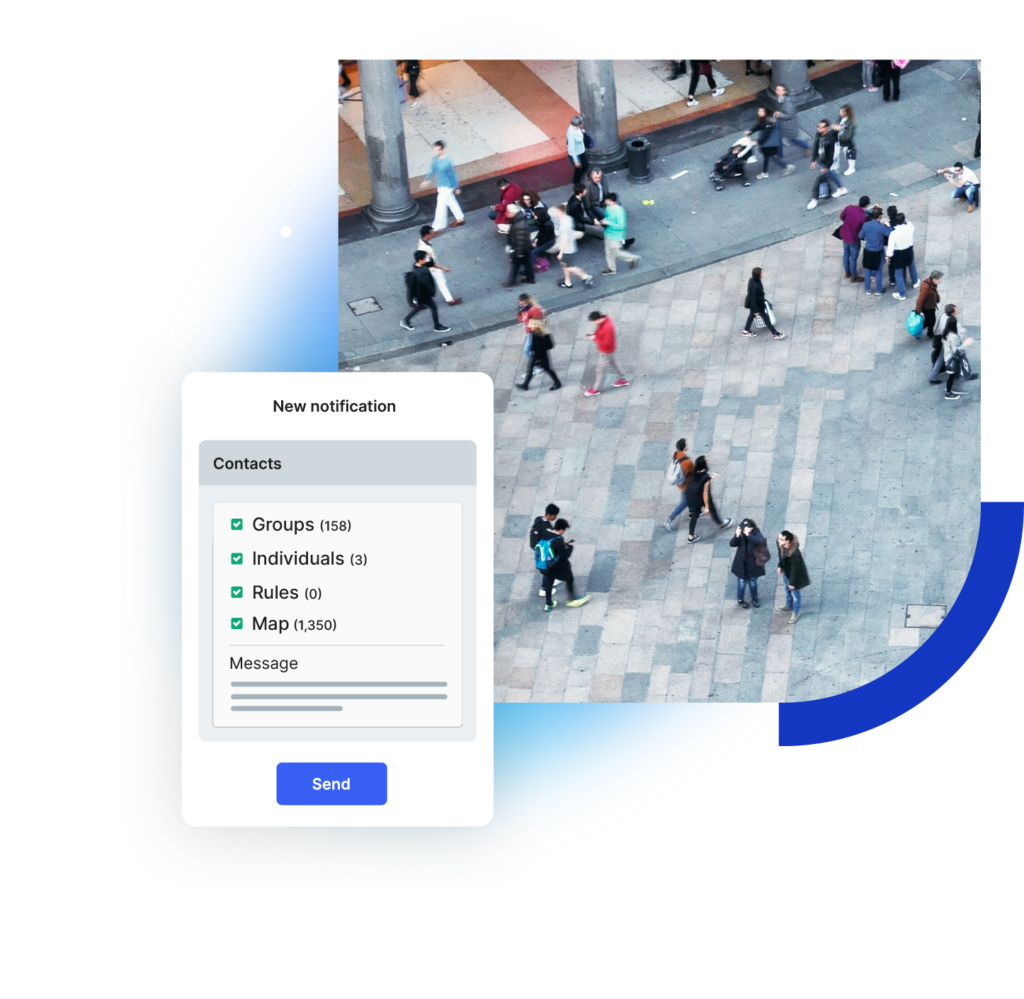
Broadcast to virtually any communication device and channel, including audio, text, and mobile. Easily select your audience – individuals or groups – through lists or geo-intelligent targeting. Facilitate two-way communication so you know your people are safe.
Send alerts via 25+ contact paths, including:
- Text
- Desktop alert
- Mobile app notification
- MS Teams
- Voice call
- Slack
- Social
- Digital signage
Critical communications at massive scale. Discover the reach of Everbridge mass notification
160+
Worldwide patents
350+
Ecosystem integrations
600M
People
reached
5B
Messages
sent yearly
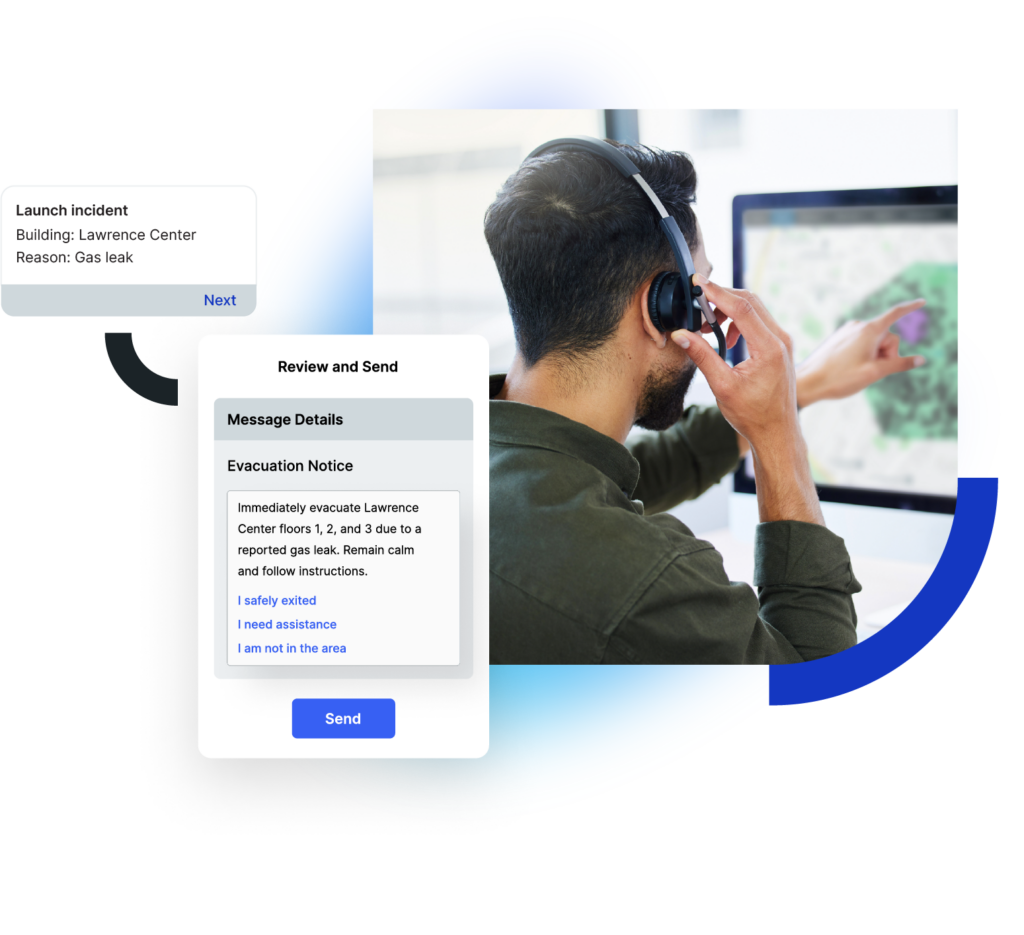
One platform
Manage everything in one simple, intuitive, and automated platform
Send your message in seconds and mobilize a coordinated response with just a few clicks. Integrate easily with your HR and BC Planning systems. Eliminate errors with preconfigured templates and guided workflows.
Hackensack Meridian Health’s resilience in action
When an earthquake hit New Jersey, Hackensack Meridian Health relied on Everbridge to rapidly communicate with 18 hospitals, 600 locations, and 36,000 employees. Fast updates, clear guidance, and damage assessment—all enabled by Everbridge.

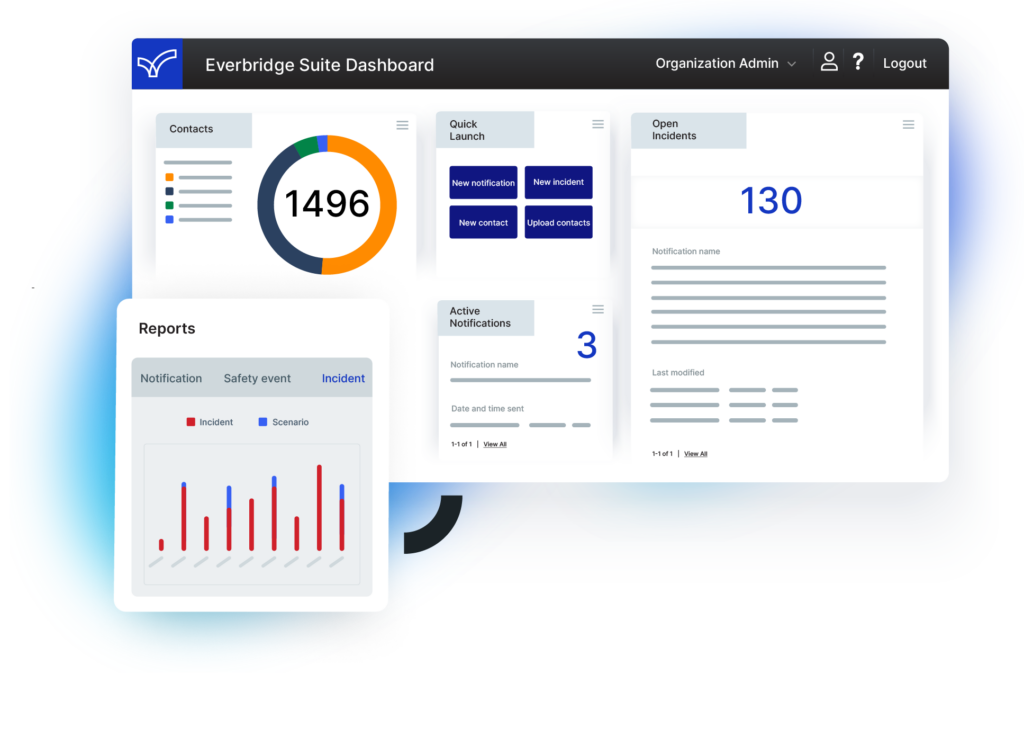
Empower users with a simple, powerful & intuitive UI
- Manage settings, limits, and defaults through a user-friendly admin
- Import and organize meaningful contact data for your company
- Define role-based access controls to manage users and contacts
- Customize portals so users can update and manage accounts
- Section 508 compliant accessibility guidelines
Industry leaders consistently trust Everbridge
An extensive customer base across private and public sectors.







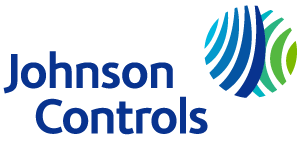
Who needs mass notification and when?
Mass Notification is essential for organizations that need to quickly inform people during emergencies or disruptions. Used by businesses, schools, healthcare, government, and public safety agencies to send real-time alerts during severe weather, active threats, outages, evacuations, and other critical events.
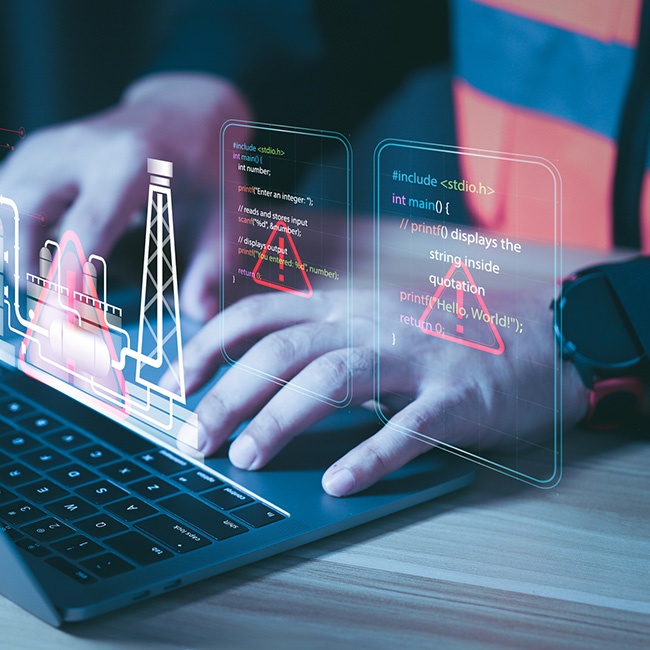
The power of High Velocity CEM for mass notification
Everbridge High Velocity CEM empowers organizations to detect threats earlier, automate response workflows, and coordinate critical communications in real-time.

Trusted
Reliable and scalable Critical Event Management platform that supports you anytime, anywhere globally.

Globally local
Personalize your reach to a global audience by broadcasting messages globally, in any language.

Secure
325+ security controls so you can securely store your data in your country of preference.

Ecosystem
The largest ecosystem of security and interoperability partners in the industry.

Audit ready
Preconfigured and custom dashboards monitor critical events in real-time and allow all activities to be audited and analyzed.
“Without Everbridge, our communications would not have been nearly as robust, nor effective. Our team was benefitted greatly by the Everbridge tool.”

Keeping teams connected in critical moments for Independent Bank
See how Everbridge helps organizations communicate faster, stay connected, and respond more effectively during critical events. In this customer story, learn how real-time notifications, mobile alerts, and resilient communication tools supported business continuity, improved response times, and helped maintain compliance during COVID-19 and other disruptions.
Is your organization ready for the next critical event?
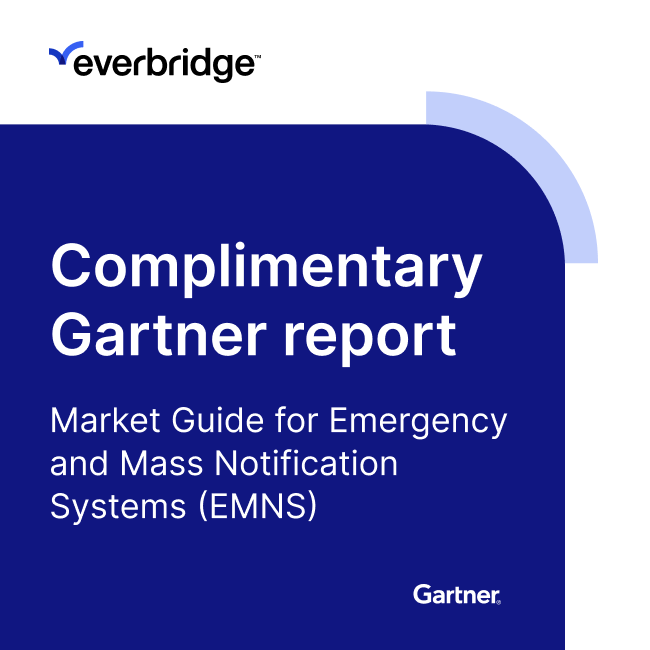
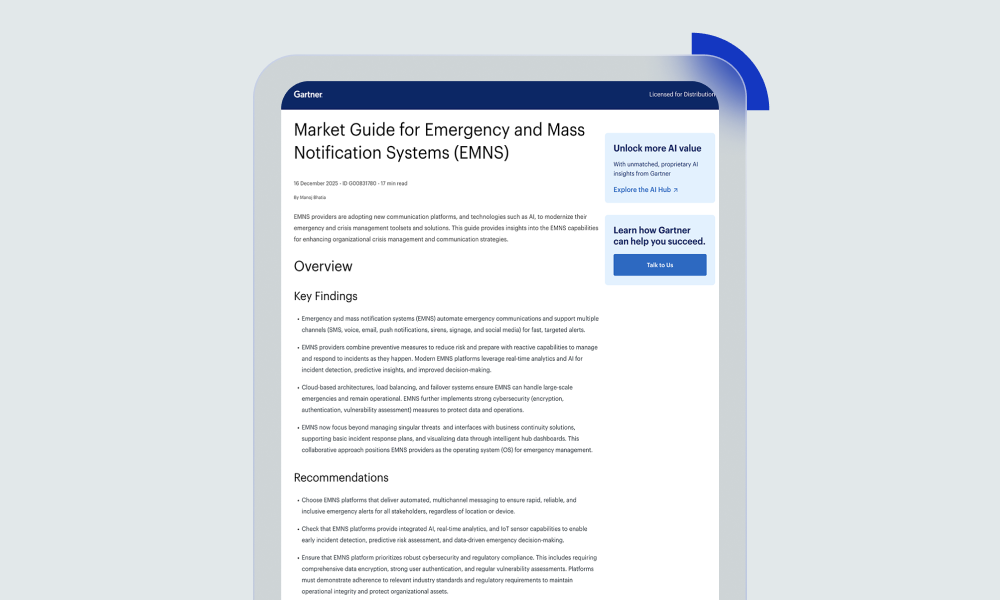
Access the Gartner® Market Guide for Emergency and Mass Notification Systems to learn how leading organizations are transforming emergency communication and resilience
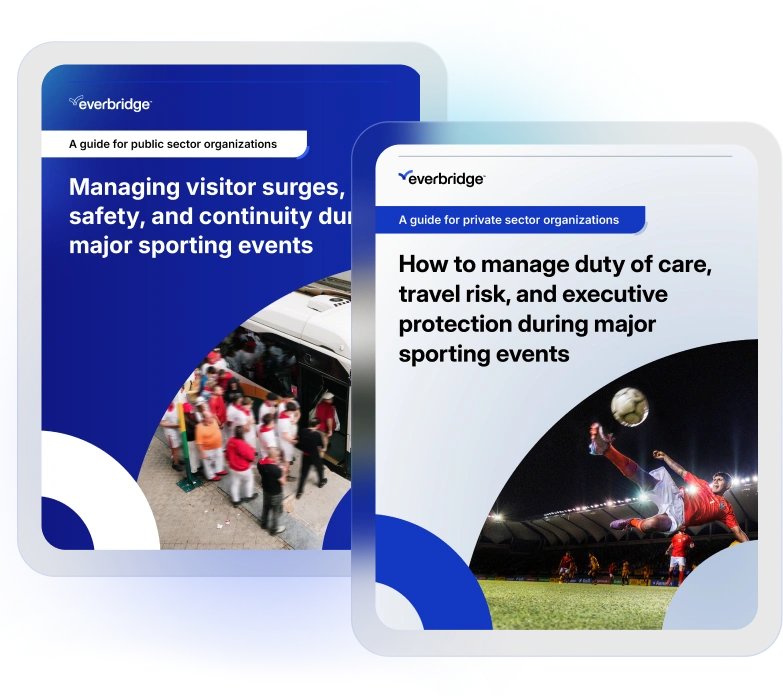
Large-scale event preparedness guides for public & private sector
Major sporting events create dynamic conditions which drive real-time disruption across multiple sectors.
Explore two guides, one for public sector organizations and one for private sector leaders, to find out how to maintain continuity, protect people, and respond faster under pressure.



Industry solutions to inform and protect

Trusted alerts for government
With Mass Notification, government and Federal leaders can respond quickly, make better decisions, and protect their people with the most trusted and proven emergency notification system combined with world-class situational intelligence.

Critical alerts for education
Orchestrate a collaborative approach for incidents such as active assailants, bomb threats, and medical emergencies by engaging all appropriate district and campus first responders.

Workforce safety starts here
Ensure the safety of today’s workforce through enhanced situational awareness and the ability to locate all employees – no matter where they are – along with failsafe methods to communicate with them.
Mass Notification case studies
2nd Watch case study
Everbridge has significantly improved 2nd Watch’s response time during business-critical outages. With one click of a button, the company can…

Capital Metro MetroAccess enhances safety by digitally transforming the frontline feedback process
Learn how Capital Metro overcame operator feedback challenges by achieving near real-time communication. Overall, increasing satisfaction while reducing risk.
Ventura County wildfire response
The Ventura County Sheriff’s Office of Emergency Services has a robust public alert and warning program. The county’s VC Alert program…

Customer perspective: City of Orlando, FL
Orlando Mayor Buddy Dyer explains how Everbridge helps keep city employees safe and informed in the event of high-risk incidents…

Loomis U.S.
After a significant vetting process of critical communications providers, Loomis made the decision to deploy Everbridge to support their business…

Healthcare company
uses Everbridge Mass
Notification to send
critical alerts
Healthcare provider uses Everbridge Mass Notification to rapidly deliver critical alerts, improve emergency response, and keep staff informed and prepared during outages and crises.
Related resources

Data sheet:
Mass notification
See how Mass Notification Systems can help keep your organization and employees safe and productive.

ROI for mass notification
Mass Notification Systems (MNS) improve ROI for businesses by communicating with stakeholders quickly in crisis and non-crisis scenarios. They are a vital part of a corporate communications strategy to reduce costs, and improve revenue generation and processes.

Mass notification system buyers guide
Choosing the right Mass Notification system vendor is one of the most important decisions you can make when it comes to the safety, security, and future of your organization. Here are 15 questions you should be asking when reviewing vendors.
Why emergency mass notification systems are now critical for organizational resilience
Learn how modern emergency mass notification systems help security, risk, and HR leaders improve crisis response, resilience, and real-time communication.

Mass notification FAQs
When should an organization use a mass notification system?
An organization should use a mass notification system whenever fast, reliable communication is critical during emergencies, operational disruptions, or time-sensitive events. These systems help organizations quickly reach employees, customers, stakeholders, or the public through multiple communication channels such as SMS, email, voice calls, and mobile notifications.
Common use cases include severe weather events, workplace emergencies, cyber incidents, IT outages, facility closures, evacuations, business continuity events, and operational updates. Organizations with distributed workforces, multiple locations, or critical infrastructure especially benefit from having a centralized platform for rapid communication and coordinated response.
A mass notification system is particularly valuable when delays, inconsistent messaging, or manual communication methods could impact safety, operations, or business continuity.
Which channels should a mass notification platform support (SMS, voice, email, app, desktop, MS Teams, Slack, social, digital signage)?
A modern mass notification platform should support multiple communication channels to ensure critical messages reach people quickly and reliably, regardless of their location or preferred device. At a minimum, organizations should look for support for SMS/text messaging, voice calls, email, mobile app push notifications, desktop alerts, Microsoft Teams, Slack, social media, and digital signage.
Multi-channel delivery is important because no single communication method is guaranteed to reach everyone during an emergency or operational disruption. For example, employees may miss an email but respond immediately to a text message or mobile push notification. Likewise, desktop alerts, collaboration tools like Teams and Slack, and digital signage can help reinforce messages across workplaces and remote environments.
The most effective mass notification platforms allow organizations to send notifications across all channels simultaneously, helping improve message visibility, response rates, and overall communication reliability during critical events.
How do geo-targeted and two-way alerts improve emergency response times?
Geo-targeted and two-way alerts help organizations respond faster and more effectively during emergencies by improving both message accuracy and real-time communication.
Geo-targeted alerts allow organizations to notify only the people in a specific affected area, rather than sending messages to an entire organization or population. This helps reduce confusion, minimize alert fatigue, and ensure that impacted individuals receive relevant instructions immediately. For example, organizations can send evacuation notices only to employees in a building affected by a fire or severe weather event.
Two-way alerts improve response times by enabling recipients to acknowledge messages, confirm their safety, share status updates, or request assistance directly through the notification system. Emergency managers and response teams gain real-time visibility into who has received the alert, who may still be at risk, and where additional support may be needed.
Together, geo-targeting and two-way communication help organizations make faster decisions, coordinate response efforts more efficiently, and improve situational awareness during critical events.
How does a mass notification platform integrate with HRIS, ITSM, and business continuity tools?
A mass notification platform integrates with HRIS, ITSM, and business continuity tools to automate communications, improve data accuracy, and accelerate incident response during critical events.
HRIS integrations connect the platform with employee data systems such as Workday, UKG, SAP SuccessFactors, or Oracle HCM. This allows organizations to automatically sync employee contact information, locations, departments, schedules, and organizational hierarchies so alerts can be sent to the right people without manual updates.
ITSM integrations with platforms like ServiceNow, Jira Service Management, or PagerDuty enable automated notifications when IT incidents or service disruptions occur. For example, if a critical outage is detected, the mass notification platform can automatically trigger alerts to impacted employees, response teams, or stakeholders while coordinating escalation workflows and status updates.
Business continuity integrations help organizations align emergency communications with crisis management and recovery plans. These integrations can automate response actions, activate incident workflows, notify continuity teams, and maintain operational coordination during disruptions such as cyberattacks, severe weather, or facility outages.
By integrating with these enterprise systems, mass notification platforms help organizations reduce manual processes, improve situational awareness, accelerate response times, and ensure communications remain accurate and coordinated during critical events.
What security, privacy, data residency, and accessibility features should we require?
Organizations should look for a mass notification platform that includes strong security controls such as encryption, role-based access, SSO/MFA, and audit logs.
The platform should support privacy and compliance requirements like GDPR, HIPAA, SOC 2, and ISO 27001, FedRamp, and C5 while also offering regional data residency options where needed.
Accessibility features should include WCAG compliance, screen reader support, multi-language messaging, and both visual and voice-based notifications to ensure critical communications reach all users effectively.
How do you measure ROI for mass notification?
Organizations measure the ROI of a mass notification system by evaluating how it improves response times, reduces operational disruption, protects employees, and minimizes financial and reputational risk during critical events.