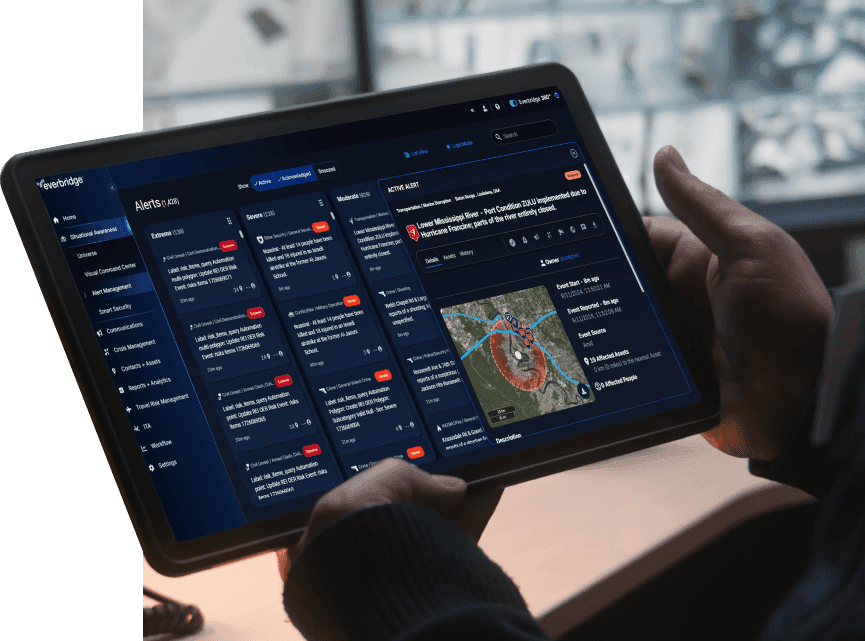
Crisis communications and alerting
Crisis communication and alerting quickly delivers critical information to employees, stakeholders, and response teams during disruptive events. It helps organizations protect people, coordinate response efforts, and maintain business continuity.
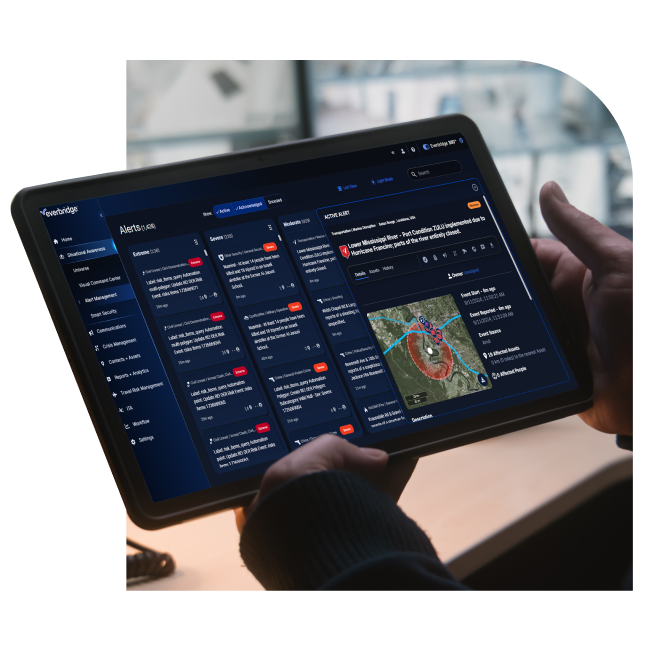
Protect critical business operations
Crisis communications is a crucial organizational function that emphasizes preparedness and strategic planning to effectively navigate and mitigate the impact of critical events. By proactively identifying potential threats and deploying cutting-edge technology, powered by Purpose-built AI, organizations can ensure they are equipped to handle emergencies swiftly. This approach not only safeguards people and assets but also helps maintain business continuity and protect brand reputation during crises.
Get complimentary access to the Gartner report: Moving resilience from definition to implementation.
Common communication challenges during a crisis

Speed
Ensuring quick and clear communication across all levels of an organization can be challenging during a crisis, leading to misinformation and confusion.

Lack of preparedness
Many organizations struggle with inadequate crisis plans, which leaves them vulnerable when unexpected events occur, resulting in delayed responses and increased impact.

Resource allocation
Effectively managing and allocating limited resources during a crisis can be difficult, often leading to inefficiencies and hindering swift recovery efforts.

Redefining crisis management: The future of business continuity
Watch industry experts as they demonstrate how to:
- Develop innovative strategies for crisis preparedness and response.
- Build strong resilience against both global and local disruptions, ensuring effective crisis management.
- Utilize leadership, personnel, and technology to smoothly navigate pre-crisis, crisis-response, and post-crisis phases.

Benefits
- Enhanced communication: minimizing misinformation and confusion during crises.
- Improved response times: by automating processes and utilizing critical event management tools.
- Comprehensive resource management: ensuring a seamless and coordinated response.
- Real-time data analytics: allowing organizations to make informed decisions quickly and adapt their strategies based on the latest information.
- Enhanced stakeholder engagement: leading to a more cohesive and efficient crisis response.
- Multi-channel communication: ensuring messages reach the right people at the right time.

Features
- Critical event management technology: ensuring timely and effective responses.
- Automated emergency notifications: ensuring rapid dissemination of crucial information to the right people in real-time.
- Real-time collaboration tools: enhancing coordination during crises.
- Resource allocation capabilities: ensuring that organizational assets are utilized optimally during critical events.
- Scenario-based testing: allowing organizations to identify and address potential gaps in their strategies.
- Comprehensive crisis management planning: that covers all aspects from prevention to recovery, ensuring organizational resilience.
Everbridge provides dependable solutions in critical scenarios
Independent Bank explains how Everbridge ensures resilience and seamless communication during critical moments, even when other systems fail.

Solution
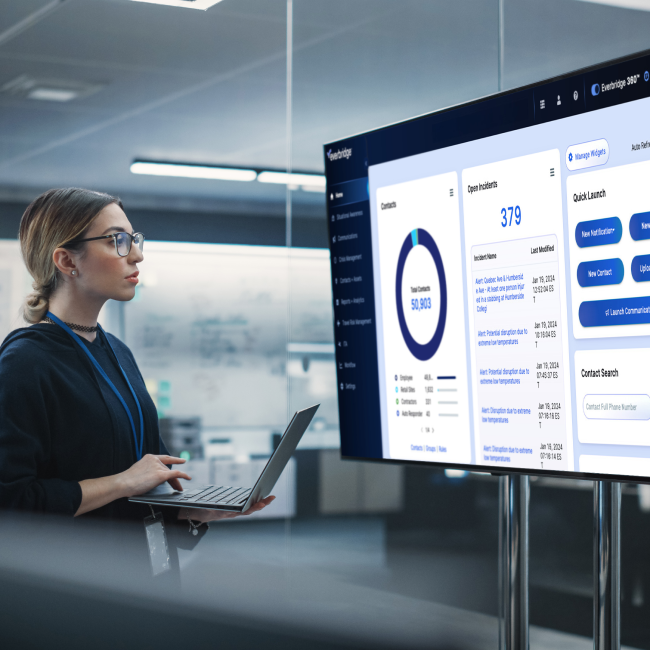
Everbridge offers a crisis communication solution that stands out. Our High Velocity Critical Event Management™ platform, Everbridge 360, enables automated emergency notifications and real-time collaboration tools that streamline communication and coordination during crises. The platform enhances response times and ensures efficient resource allocation, supporting organizations with comprehensive crisis management planning. Additionally, its scenario-based testing allows for identifying and addressing potential strategy gaps, ultimately bolstering organizational resilience and ensuring a proactive approach to handling critical events effectively.
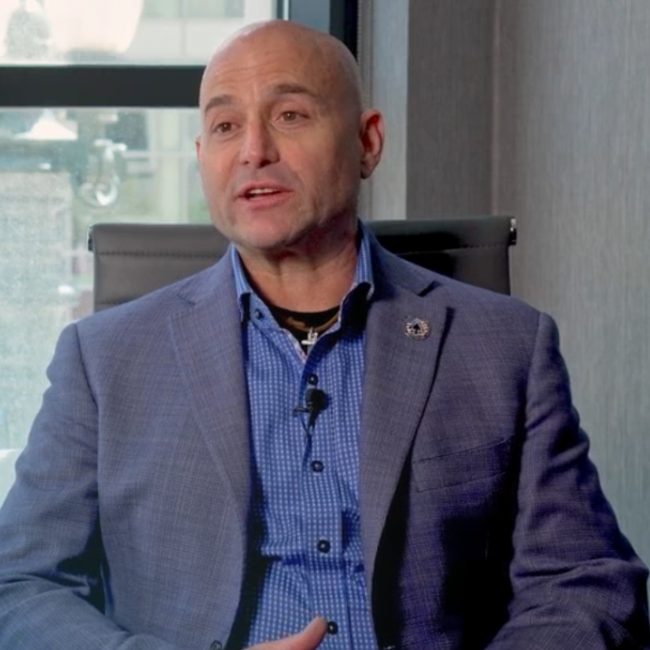
Security expert Chris Grollnek on why trusted emergency intelligence matters
Security consultant and critical incident expert Chris Grollnek shares why accurate, centralized emergency intelligence is essential during high risk events. Drawing on decades of experience assessing critical incidents, he explains how Everbridge helps organizations make faster, more informed decisions with trusted threat intelligence and unified communications.
How it works
The Everbridge crisis communication solution operates by leveraging critical event management technology to automate emergency notifications and facilitate real-time collaboration. This process ensures efficient resource management, allowing organizations to swiftly activate crisis management plans. By enhancing communication across all levels, the platform enables a coordinated response to critical events, minimizing crisis impact. These integrated elements bolster organizational resilience, ensuring that potential disruptions are effectively managed and mitigated.

Is your organization ready for the next critical event?
Access the Gartner® Market Guide for Emergency and Mass Notification Systems to learn how leading organizations are transforming emergency communication and resilience
MLC Life Insurance strengthens crisis communications capabilities with Everbridge
MLC Life Insurance is one of Australia largest insurance companies, serving customers for more than 135 years. MLC Life insurance offers a wide range of life insurance options to their 1.2 million customers, from total life coverage to critical illness, total and permanent disability, and more. As an Everbridge customer, MLC Life Insurance relies on Safety Connection and Crisis Management to keep their employees safe and informed during crises.


Outcome
Implementing Everbridge crisis communication and management solutions help organizations effectively navigate critical events by utilizing advanced technology and strategic planning, powered by Purpose-built AI. Its resource allocation capabilities ensure optimal use of assets during crises, while comprehensive crisis management planning aids in preparedness and recovery. These features collectively enhance response times, streamline communication, and bolster organizational resilience, minimizing the impact of crises.
Explore Everbridge in action
Experience Everbridge in action with a customized product tour tailored to your organization’s unique operational, resilience, and critical event management needs. Explore the solutions most relevant to your team and see how Everbridge helps you anticipate risks, respond faster, and maintain business continuity.

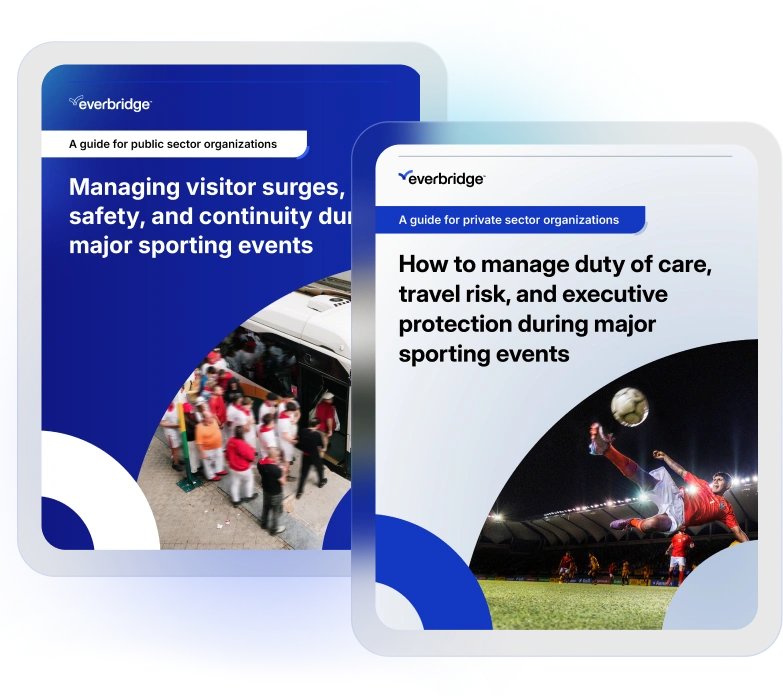
Large-scale event preparedness guides for public & private sector
Major sporting events create dynamic conditions which drive real-time disruption across multiple sectors.
Explore two guides, one for public sector organizations and one for private sector leaders, to find out how to maintain continuity, protect people, and respond faster under pressure.
Industry solutions for crisis communication
IT
In the IT industry, crisis communications play a crucial role in maintaining transparency and managing stakeholder expectations during disruptions. By ensuring effective communication, IT firms can promptly address concerns, provide critical updates, and safeguard their reputation. These efforts help stabilize operations, mitigate misinformation, and build trust with clients and partners in challenging times.

Financial services
For financial institutions, crisis communications are vital in managing customer trust and regulatory compliance during unforeseen events. By delivering clear, timely updates, banks can address stakeholder concerns and maintain confidence. Effective communication strategies help prevent misinformation, support financial stability, and protect institutional reputation, ensuring a swift recovery and continuity of essential services.

Telecomm
In the telecomm industry, crisis communications are essential for ensuring customer trust and service reliability during disruptions. By providing timely and accurate information, telecom providers can manage customer expectations and mitigate service-related concerns. These efforts help maintain operational transparency, strengthen customer loyalty, and support the seamless restoration of services, minimizing reputational damage.

Government
For governments, crisis communications are pivotal in maintaining public trust and ensuring the delivery of essential information during emergencies. By providing clear, accurate updates, governments can manage public expectations and reduce misinformation. These strategies foster community resilience, support effective crisis management, and uphold the integrity of public communication channels, ensuring societal stability and security.

Supply chain
For organizations which manage supply chains, crisis communications are crucial for maintaining transparency and managing partner expectations during disruptions. By providing accurate, timely updates, companies can coordinate effectively with stakeholders and mitigate logistical concerns. These efforts support seamless operations, protect reputations, and foster collaboration, enabling organizations to navigate challenges and maintain supply chain resilience.

Corporate industry
For corporate businesses, crisis communications are vital in managing stakeholder expectations and protecting brand reputation during disruptions. By delivering clear, consistent updates, companies can maintain trust and mitigate misinformation. Effective communication strategies help stabilize operations, support employee morale, and ensure continuity, enhancing corporate resilience and preserving long-term business sustainability in challenging times.

Healthcare industry
In the healthcare industry, crisis communications are essential for ensuring patient trust and managing public expectations during emergencies. By providing timely, accurate information, healthcare providers can address concerns and maintain service integrity. These strategies support effective crisis management, enhance organizational reputation, and ensure the reliable delivery of critical medical services, safeguarding public health and safety.

You’re in charge: Can you keep the business running?
Step into a crisis as the leader everyone relies on. Make real-world decisions, see the impact, and explore how your choices shape organizational response and resilience – in this interactive scenario created in partnership with Security Magazine.

Customer stories

Perspectives of global crisis management: Niklas Henningsson, Group Risk Manager at PostNord
One click. Everyone is on alert. In a crisis, Group Risk Manager, Niklas Henningsson, clicks one computer key to alert and assemble the entire PostNord team in seconds.

Santander saves time and cost with critical event management
Within a single platform, Santander coordinates all response activities, teams, and resources to accelerate recovery times and maintain command and control during a crisis.
Additional resources

The top 10 questions to ask when choosing physical security management software
This guide gives you the 10 must-ask questions to cut through the noise and find a physical security platform that delivers. Download the guide now.

Resilience doesn’t start with an alert. It starts with preparation
Bridge the gap between preparedness, response, and recovery with Everbridge 360 and BC in the Cloud for faster, smarter crisis management.

Crisis management plan template
A crisis management plan (CMP) is a vital document detailing procedures and strategies for handling crises to minimize the impact on operations, reputation, and stakeholders.

How to create a crisis communication plan
When a crisis hits, the success of an organization often hinges on how effectively it communicates. This is why having a robust crisis communication plan is critical.

Crisis communications tabletop exercise guide
A facilitated discussion with leaders about communicating emergency information to employees and key stakeholders

Redefining crisis management: The future of business continuity
This session is for anyone dedicated to protecting their people, physical infrastructure, and supply chain, while securing their organization’s future. Don’t miss this chance to ensure your business thrives amid unprecedented challenges.

Crisis communications FAQs
What is crisis communications, and how is it different from crisis management?
Crisis communications focuses on delivering timely, accurate information to employees, customers, partners, and stakeholders during disruptive events. Crisis management is broader and includes operational coordination, decision-making, incident response, and recovery activities. Effective crisis communications supports crisis management by helping organizations reduce confusion and improve response coordination.
How fast should crisis alerts be sent, and how do you reduce time-to-notify?
Crisis alerts should be delivered as quickly as possible once a threat is verified because delays can increase operational disruption and safety risks. Organizations reduce time-to-notify through automated workflows, preconfigured templates, role-based targeting, integrated threat intelligence, and multi-channel delivery that helps accelerate response during rapidly evolving incidents.
Which channels are supported for mass notification (e.g., SMS, voice, email, mobile app, desktop, collaboration tools)?
Everbridge supports multi-channel communications across SMS, voice calls, mobile push notifications, email, desktop alerts, collaboration platforms, digital signage, social media, and other connected systems. Using multiple communication paths helps organizations improve delivery reliability, reach distributed audiences faster, and maintain operational continuity during critical events.
How do you confirm delivery and acknowledgements during an incident?
Organizations can track message delivery, acknowledgements, escalation status, and response activity in real time through centralized reporting and two-way communications workflows. This visibility helps incident managers identify who has received instructions, who still requires follow-up, and where additional response coordination may be needed during an active event.
How does the platform integrate with HRIS, ITSM, and collaboration tools?
Everbridge supports integrations across HRIS platforms, ITSM systems, collaboration tools, identity providers, and enterprise applications. These integrations help organizations synchronize employee data, automate workflows, accelerate incident response, and coordinate communications across distributed teams, operational groups, and business functions from a centralized platform.
How quickly can organizations deploy and onboard users globally?
Deployment timelines vary based on organizational size, integrations, and operational requirements, but Everbridge supports scalable global onboarding with configurable workflows, user provisioning, localization support, and automated communications templates. Many organizations begin with phased deployments focused on emergency notifications before expanding into broader resilience and incident management capabilities.
How does Everbridge support data privacy, security, and regulatory compliance?
Everbridge supports enterprise-grade security capabilities including encryption, role-based access controls, auditability, and configurable governance policies designed to help organizations manage sensitive data responsibly. Our platform helps strengthen operational resilience while supporting privacy, security, and compliance initiatives associated with emergency communications and critical event management workflows.
What metrics should we track to measure crisis communication effectiveness?
Organizations commonly measure crisis communication effectiveness using metrics such as delivery rates, acknowledgment rates, time-to-notify, escalation speed, response participation, and incident resolution times. Many organizations also track employee accountability, exercise performance, downtime reduction, and post-incident improvements to evaluate overall communication readiness and resilience maturity.
Which industries benefit most from crisis communications software?
Crisis communications software supports organizations across healthcare, education, government, financial services, manufacturing, energy, transportation, retail, technology, and other industries with distributed operations or high operational risk. Any organization responsible for protecting people, maintaining continuity, and coordinating rapid response during disruptions can benefit from centralized critical communications capabilities.